Here’s what to do when you’re out and about on the cliffs.
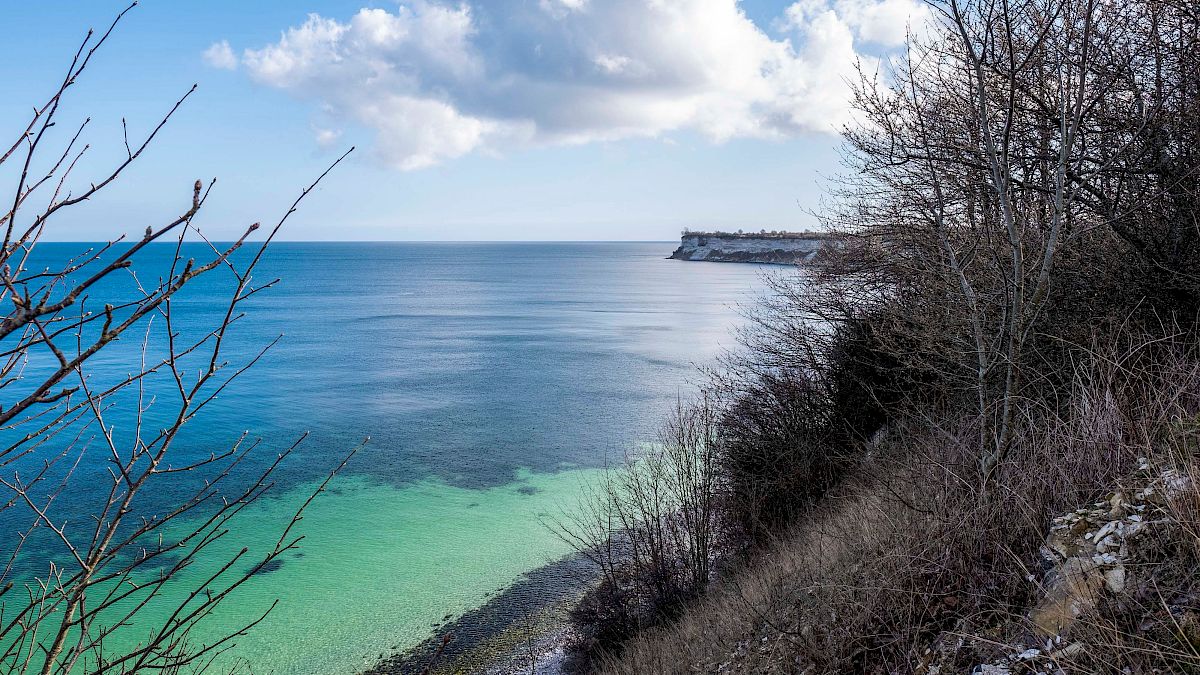
Great views at Stevns Klint
- Respect
Please respect residents, private land and signage.
- Cycling
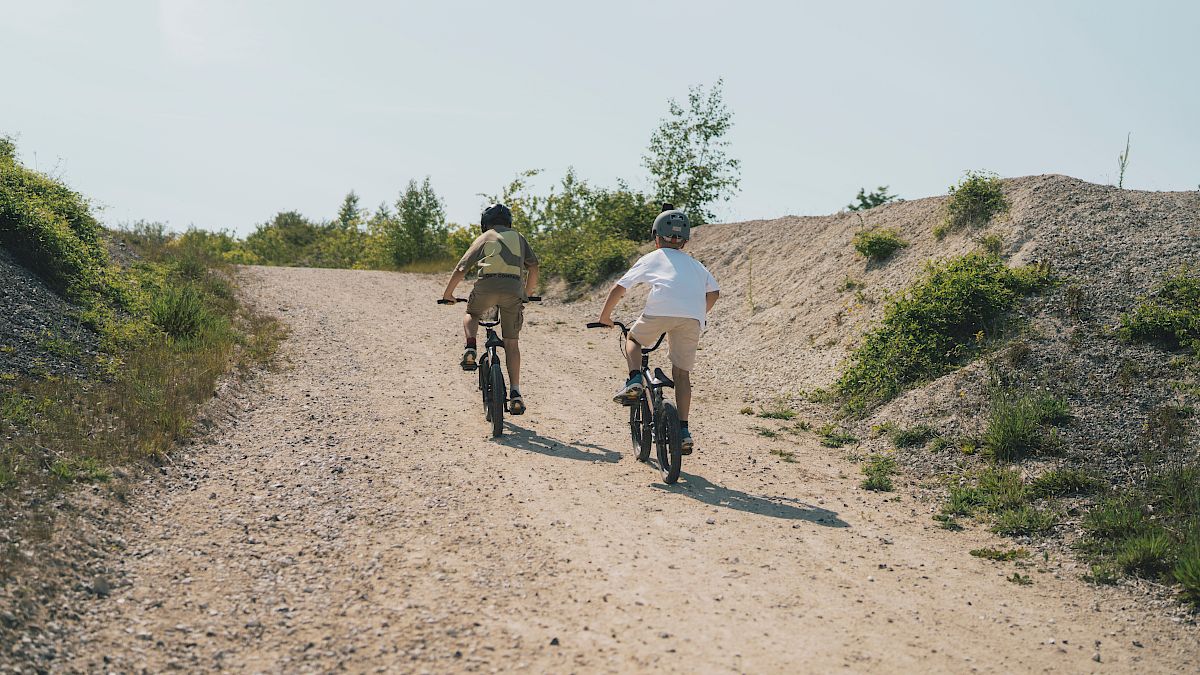
Cycling is not permitted along the cliff. The Stevns Trampesti may only be used on foot.
- Landslide
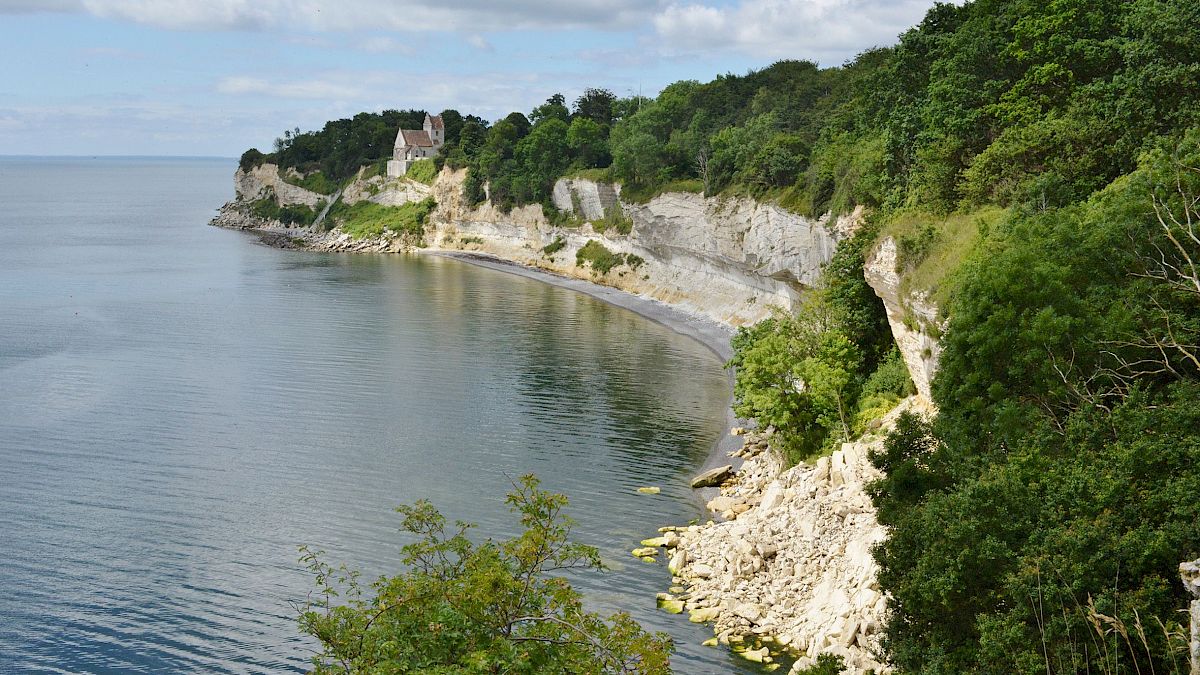
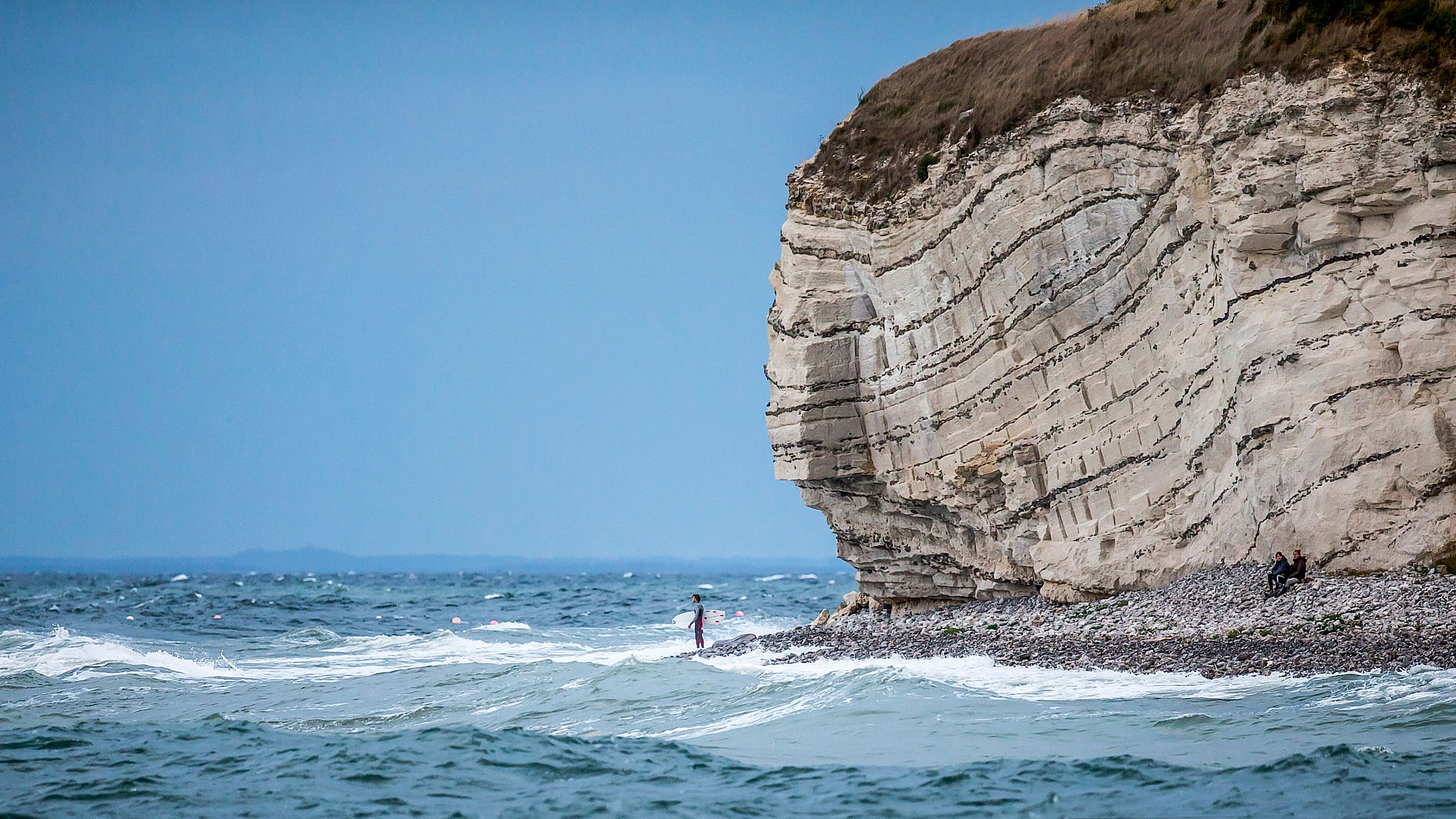
Watch out for landslides – both on the cliff and along the coast. The cliff is a constantly changing landscape, so be careful not to walk too close to the edge, as landslides do occasionally occur.
- Dogs
Keep your dog on a lead – for the sake of wildlife.
- Drones
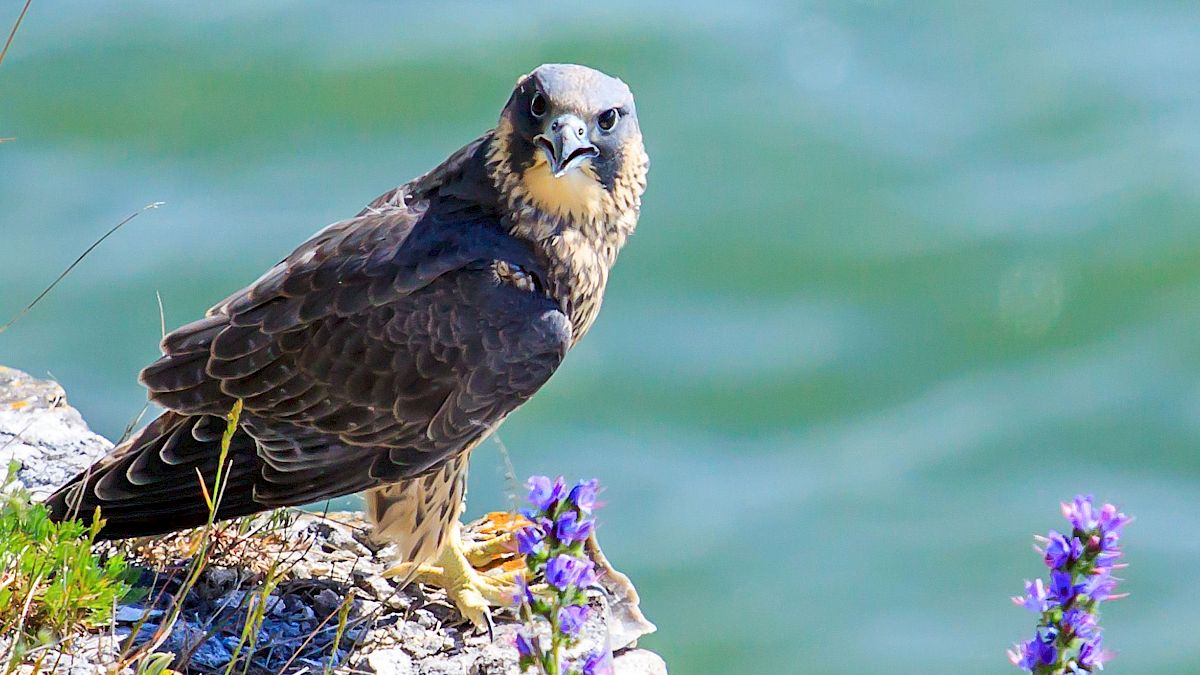
Flying drones is not permitted to protect the peregrine falcon.
- The Fisherman's Restaurant
Do not dig in the fishing mud and never chip away at the cliff – the area is a strictly protected nature reserve. However, you are welcome to collect anything you find lying loose on the beach.
UNESCO World Heritage Site
UNESCO (United Nations Educational, Scientific and Cultural Organisation) was established in 1945 and is the United Nations’ organisation for education, science, culture and communication. UNESCO works to promote cooperation between nations in these fields. In the cultural sphere, the organisation supports, amongst other things, the preservation of World Heritage sites. In 1972, the UNESCO Convention was adopted; this is an international agreement on the preservation of cultural and natural sites of outstanding universal value to humanity.
What is World Heritage?
Since 1978, natural sites, monuments, cities and buildings of outstanding significance have been included on the World Heritage List. The list now comprises over 1,000 different World Heritage sites. Among many others, the list includes the Great Barrier Reef, the Pyramids of Giza, the Grand Canyon and the Galápagos Islands. A place on the World Heritage List often means an increase in tourist numbers to the area, and consequently more opportunities for revenue. However, inclusion on the World Heritage List also entails a commitment to protect the specific World Heritage site and ensure its conservation; it is therefore important to ensure that tourism is conducted in a sustainable manner. The IUCN (International Union for Conservation of Nature) is UNESCO’s advisory body of experts on natural heritage.

Stevns Klint and World Heritage
Stevns Klint was inscribed on the UNESCO World Heritage List in 2014 because it is the best place in the world to see the traces of the asteroid that struck the Earth 66 million years ago. The asteroid, which for millions of years had remained at a safe distance from our blue, vibrant planet, came hurtling towards us and struck with such force that it brought mass extinction and devastation in its wake. Everything on Earth was changed in an instant, and nothing would ever be the same again.
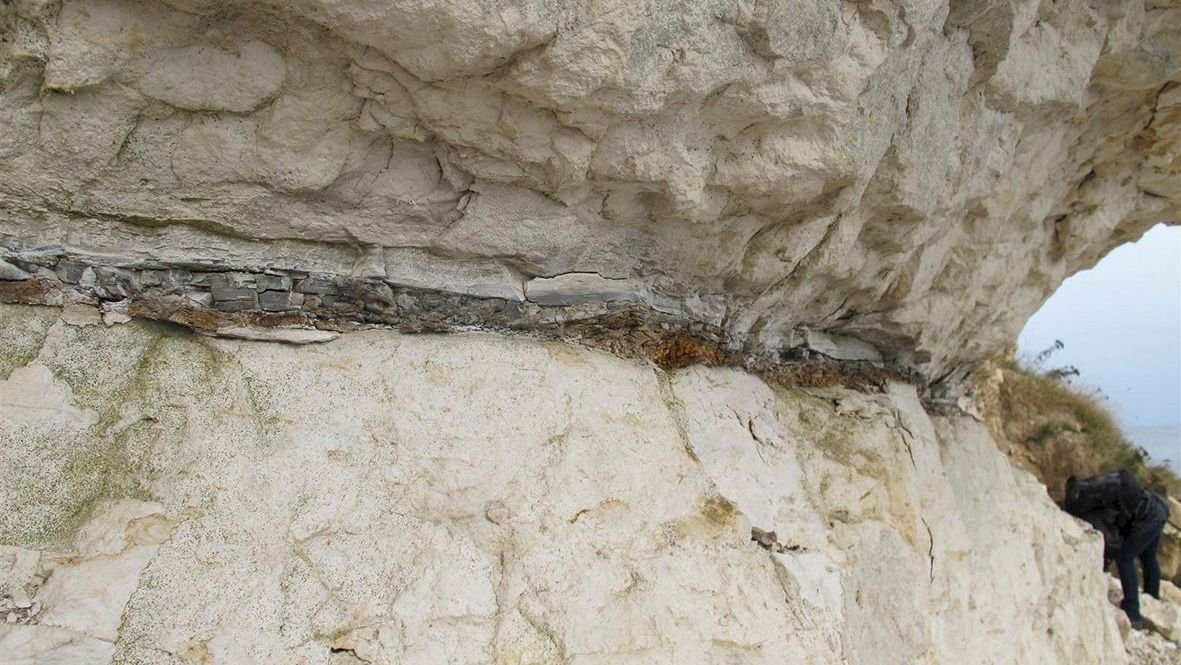
We find the traces of the impact amongst the cliff’s thick layers of chalk and limestone. A very thin layer of grey-brown clay, known as the Fiskeler, contains traces of the asteroid and of the Earth’s layers that were hurled into the atmosphere as pulverised, red-hot earth and rock at the point of impact. The asteroid struck on the other side of the Earth, in what we now know as Mexico.
The Fiskeler layer can be difficult to spot. In some places along the cliff, it lies below sea level, and in many of the places where the Fiskeler layer is visible, it is not safe to walk due to the risk of cliff collapses. We therefore recommend that you view the ‘Fiskeleret’ through the telescopes at Højerup Gl Church or in the foyer at Stevns Klint Experience. You can also see the large block containing the ‘Fiskeleret’ inside the exhibition at Stevns Klint Experience.