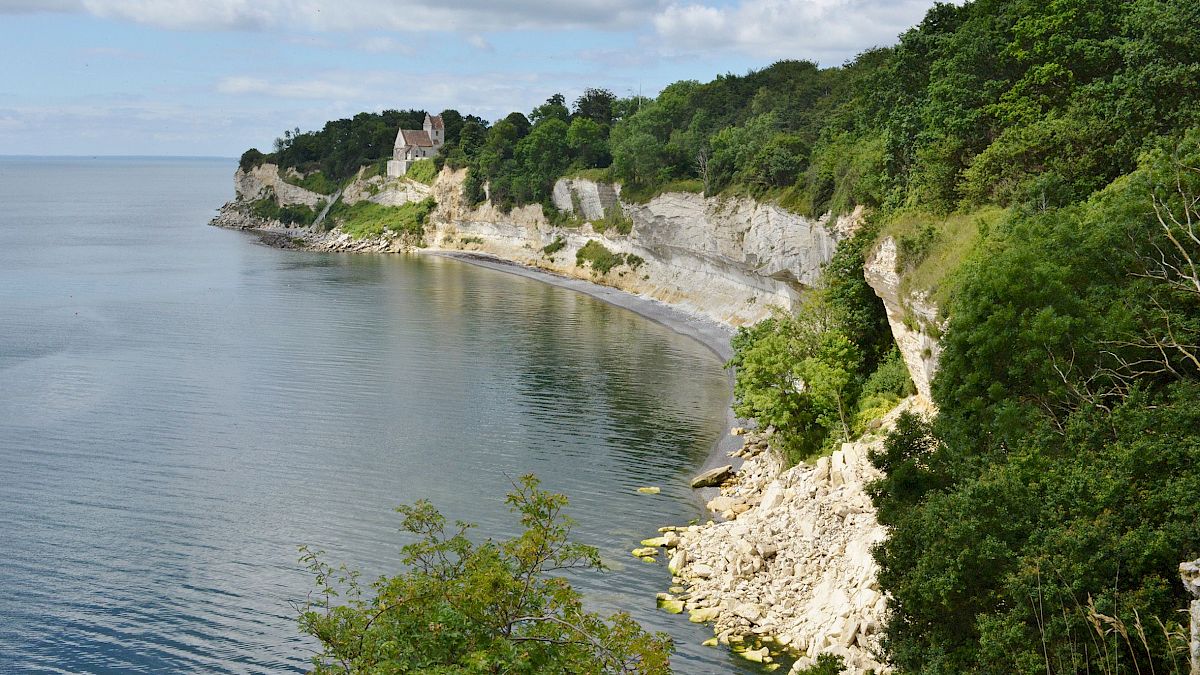
66 million years ago, the world was thrown into chaos when an asteroid 17 kilometres in diameter struck the Earth, bringing the Cretaceous Period to an end. The impact caused the most violent explosion ever to occur on our planet, and the ensuing horrors – firestorms, earthquakes, tsunamis, toxic gases, darkness and cold – brought so much death and destruction that food chains broke down, ecosystems collapsed, and more than half of all species on Earth became extinct. The fifth mass extinction in Earth’s history was a reality.
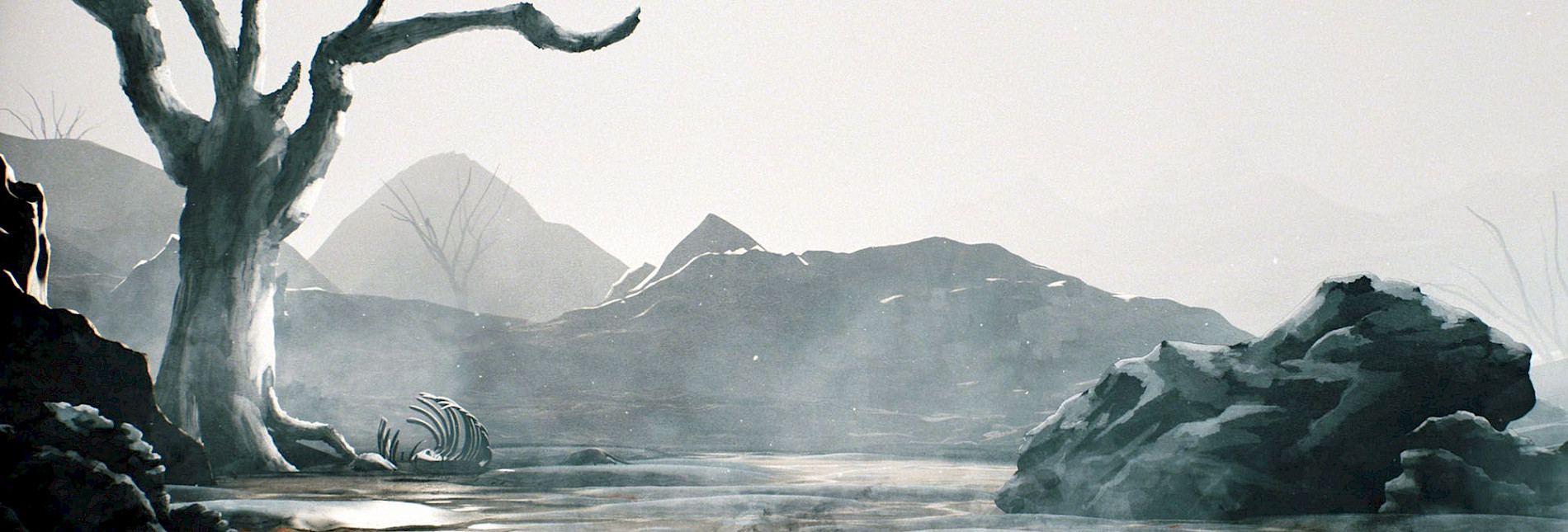
Death and destruction
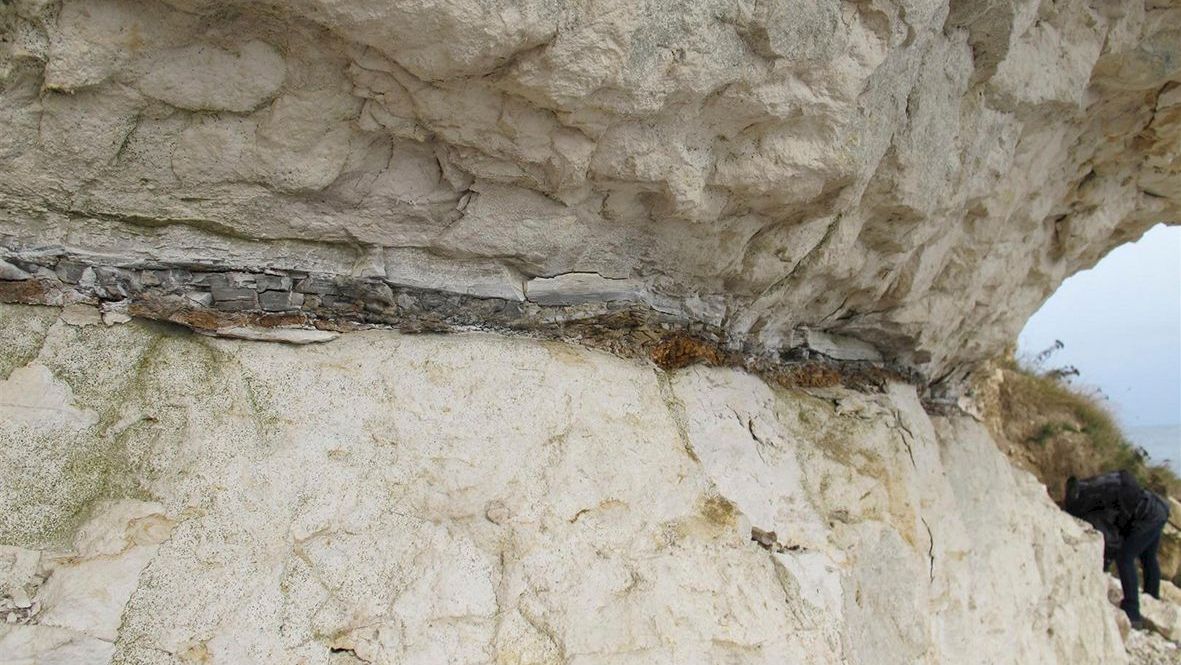
“The most terrible day in the history of the Earth”
The American geologist Walter Alvarez has called the day the asteroid struck “the most terrible day in the history of the Earth”. But even a natural disaster of this magnitude failed to completely wipe out life on Earth. In the darkness of the catastrophe, not every individual perished, nor did every species become extinct. And those who barely managed to survive the first days, weeks, months and years of that post-apocalyptic hell subsequently gave rise to the myriad of life forms we find on Earth today. We are thus all descendants of the survivors of that catastrophe.
An evolutionary short-circuit?
Over thousands and millions of years, evolution adapts, adjusts and reshapes the species on Earth to the hardships and challenges they are constantly faced with. Darwin called it ‘survival of the fittest’ – the survival of the best-suited. But what neither evolution nor Darwin can prepare life for are unpredictable catastrophes that suddenly alter the entire world and the reality for which organisms are equipped. No life forms, no species and no ecosystems are therefore evolutionarily ‘prepared’ for an asteroid impact that turns day into night and disrupts the climate, food chains and the very foundations of life.
Surviving a catastrophe
Why did some species survive the catastrophe 66 million years ago, whilst others succumbed? Why did all dinosaurs, apart from the birds, disappear? Why did large animals such as mosasaurs, pterosaurs and all larger mammals become extinct? Today, scientists have some fairly good theories about which characteristics, ‘tricks’ and strategies are useful to possess should a catastrophe such as the one that abruptly ended the Cretaceous Period occur. These are not traits, tricks and strategies that evolution has endowed organisms with specifically to survive an asteroid impact. Rather, they are behaviours, physiology and anatomy that ‘just happen’ to be advantageous to possess when darkness, cold and hunger suddenly become a reality. Some species have simply been (extremely) fortunate to be of the right make when disaster suddenly struck.
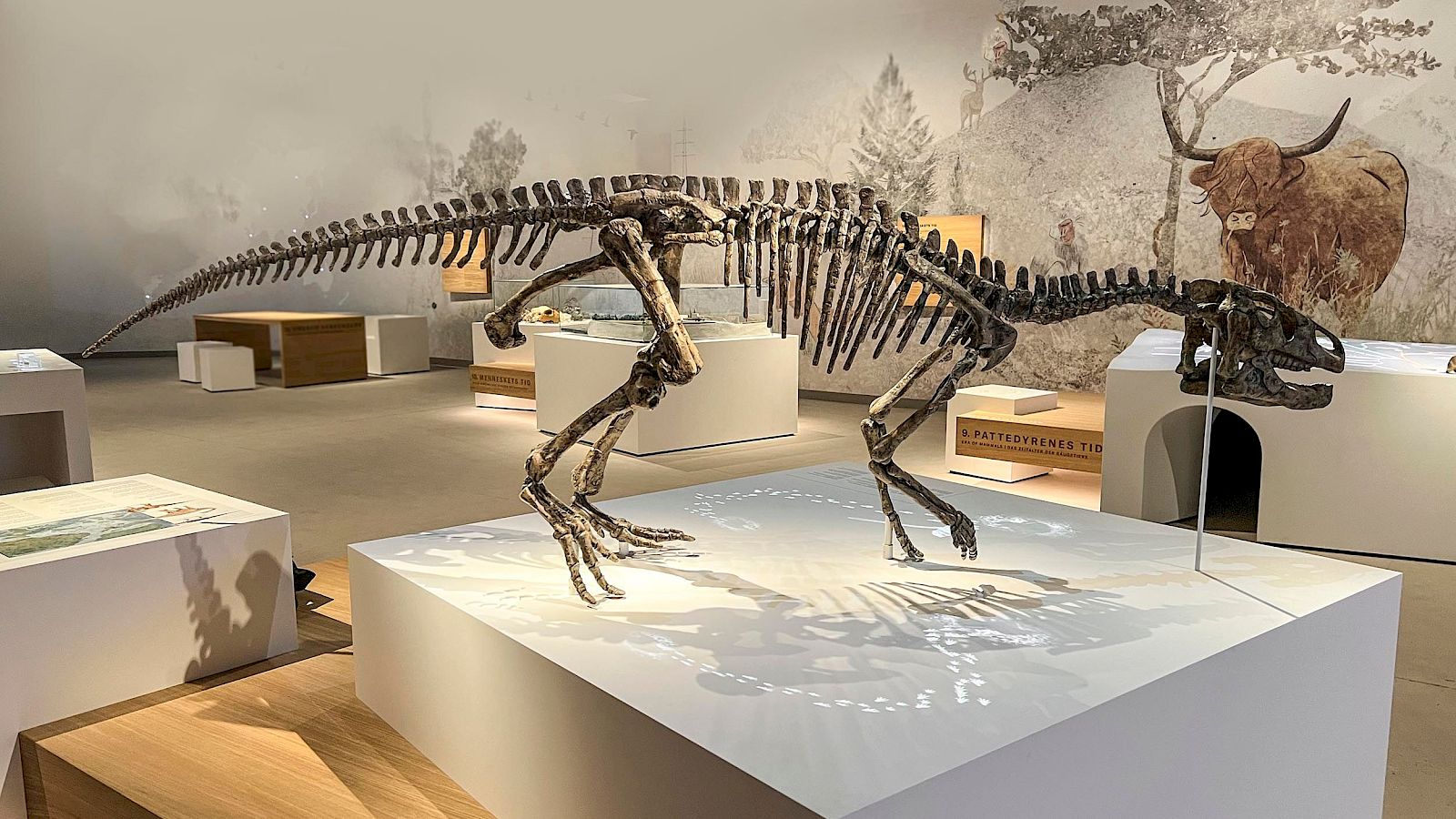
Survival strategies
Researchers have identified a number of general ‘survival strategies’ which the survivors of the catastrophe appeared to possess to a marked degree: small species survived rather than large ones, generalists fared better than specialists, animals with the ability to fast and/or reduce their metabolic rate appeared to have had a clear advantage, and short generation times and large numbers of offspring increased the likelihood of a species’ survival during the initial difficult period. It is therefore all about being small, hardy, undemanding, flexible and anything but fussy!
And that is why small (but not large!) mammals survived the catastrophe, whilst the dinosaurs – large, diurnal, voracious specialists – seemed to have succumbed to the very remarkable traits and adaptations that had ensured their success for 180 million years, but which now, all of a sudden, turned into a veritable death sentence.
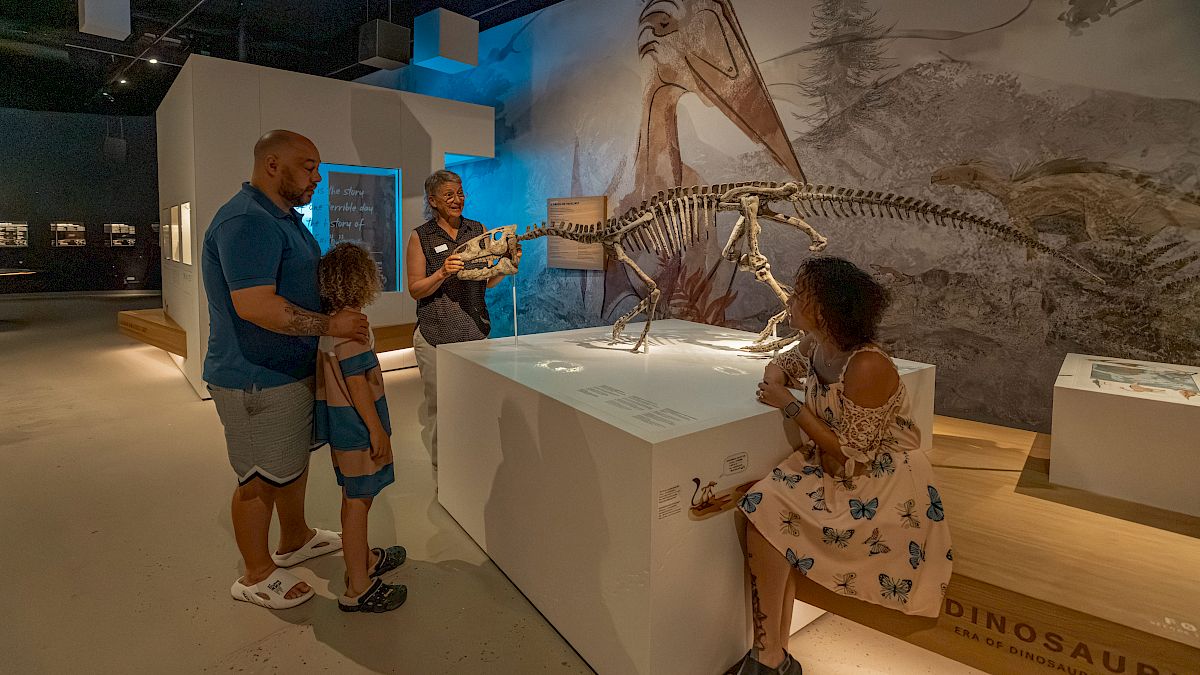
In the World Heritage Hall at Stevns Klint Experience, we have put on display a range of survival tips. Researchers have identified a number of general ‘survival tricks’ which the survivors of the catastrophe appeared to possess to a marked degree.
The death of one...
All ecosystems on Earth are made up of a complex network of organisms which, for better or worse, are bound to live together. Each and every species fulfils specific ‘roles’ in nature – as prey, predators, herbivores, carnivores, decomposers, competitors, parasites and symbionts. The moment a species is reduced in number or disappears entirely from an ecosystem, new opportunities open up for other species. Gaps are filled, niches are taken over, food chains are readjusted, and new evolutionary dynamics emerge.When the catastrophe struck 66 million years ago, it led to the extinction of millions of species. But the survivors – the fortunate ones – were poised to take centre stage and fill the suddenly vacant niches. In nature, one’s death is truly another’s gain. And as the years passed, and evolution, generation after generation, adapted organisms and species to the conditions of a new world, the Earth was enriched with millions upon millions of new species.
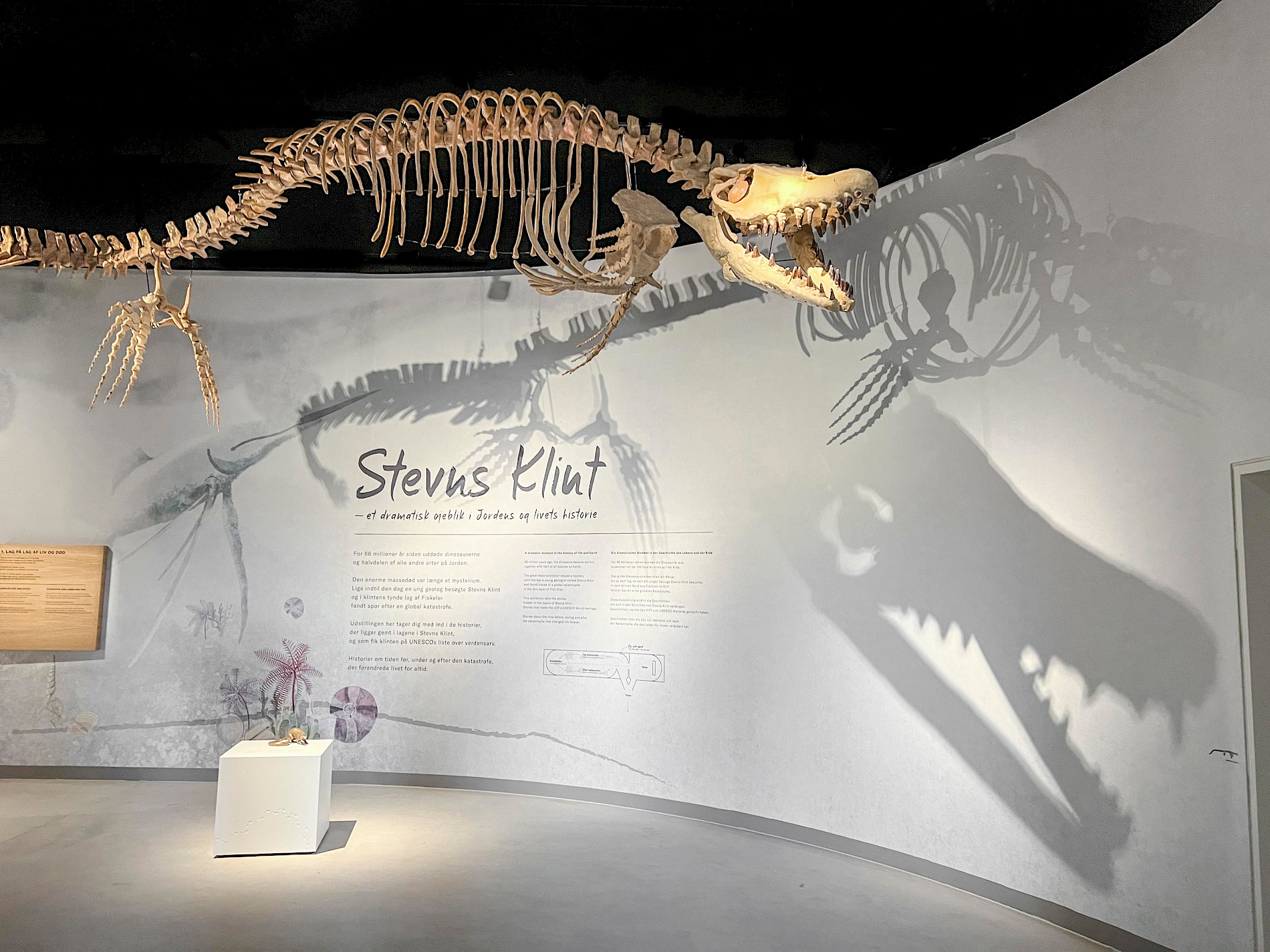
The Age of Mammals
Virtually all of the more than 6,000 species of mammals living today can trace their family tree back to a small mammal that survived the catastrophe 66 million years ago. Had this small, hardy (and lucky) creature not made it through the catastrophe, there would be no lions, elephants, bats, whales, squirrels, dogs – or humans – today.
The American evolutionary biologist Stephen Jay Gould is famous for the words “We’re lucky to be here!”. Gould’s words emphasise just how incredibly lucky we are that our distant, distant ancestors made it through when all hell broke loose on Earth. And we are doubly lucky that the dinosaurs did not survive the catastrophe. For the extinction of the dinosaurs made it possible for the surviving mammals to evolve into the fantastic diversity of mammals that followed. A diversity which, amongst other things, has led to an upright, hairless mammal called Homo sapiens.