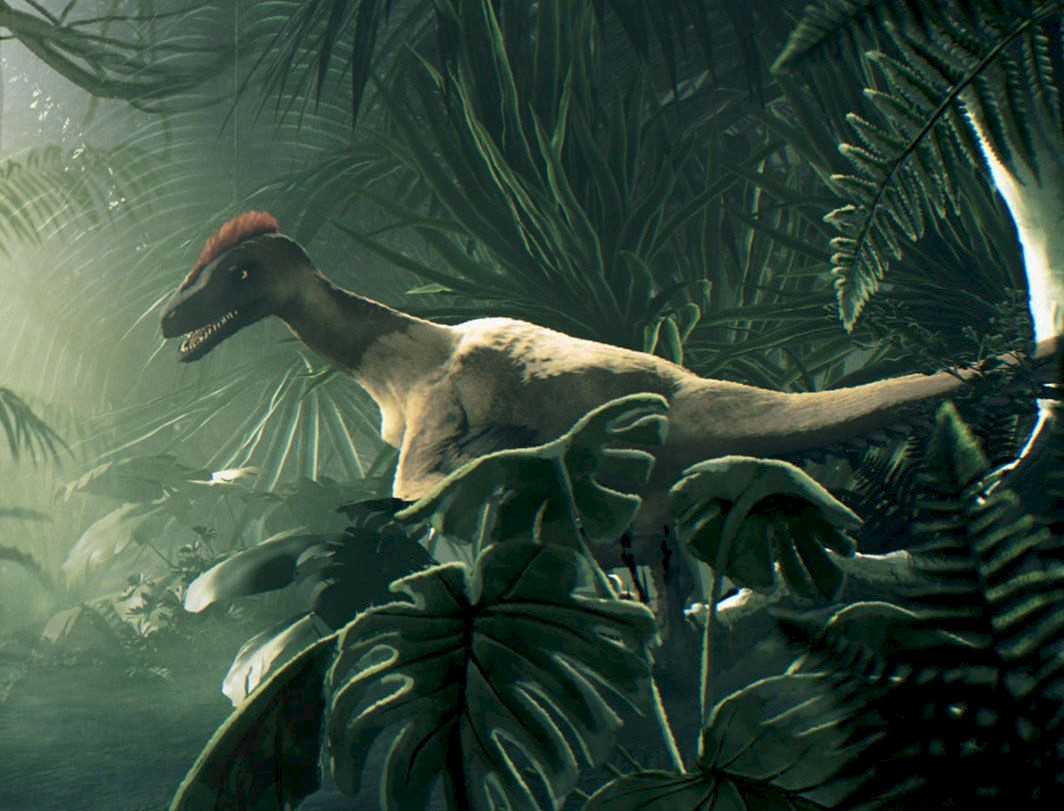
If we rewind time just a split second further – to the period before the impact 66 million years ago – we find ourselves in a world quite unlike the one we know today. During the Cretaceous period, dinosaurs ruled the land, mysterious creatures swam in the seas, and in the skies, pterosaurs the size of small aeroplanes soared about, plucking delicacies from the vast smorgasbord of defenceless animals on land and in the sea.
The Cretaceous Period
The Chalk Sea
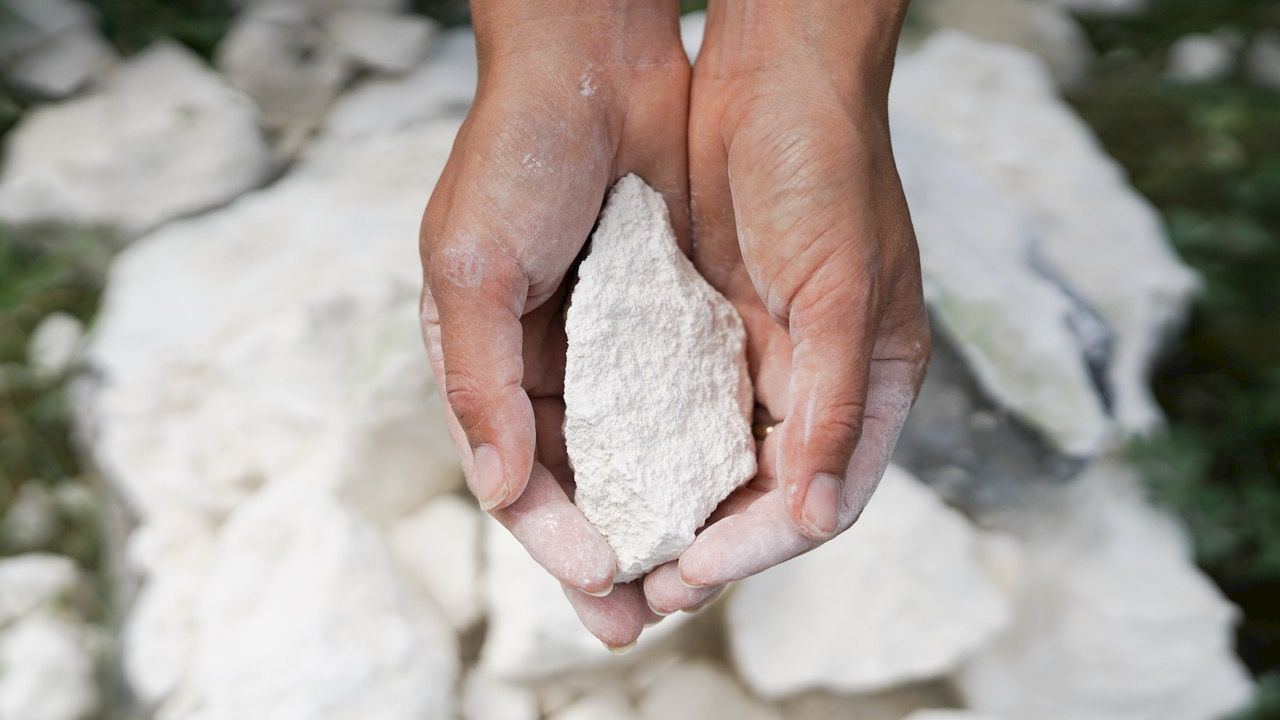
Much of what we now know as the European continent was, during the Cretaceous period, covered by a vast, deep and warm sea: the Cretaceous Sea. If you look at a map of ‘Europe’ from the end of the Cretaceous Period, you will see a vast archipelago with many islands, both large and small. Some of today’s European landmasses – for example, most of Denmark – did not yet exist during the Cretaceous Period.
The Age of the Dinosaurs
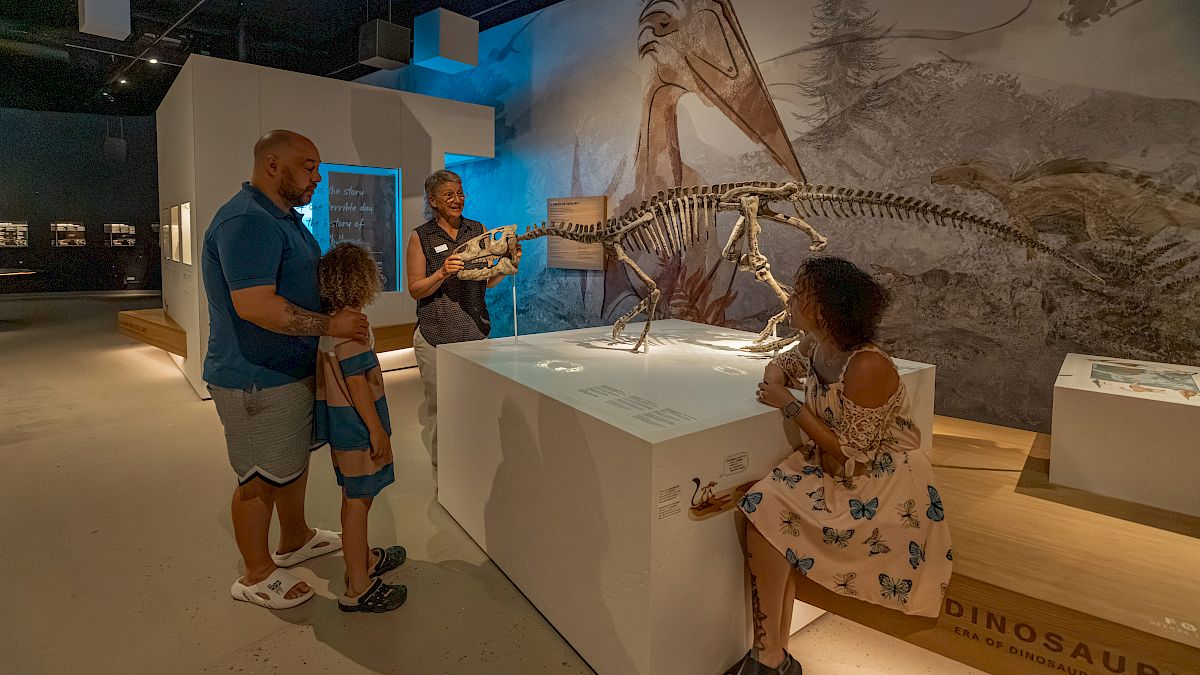
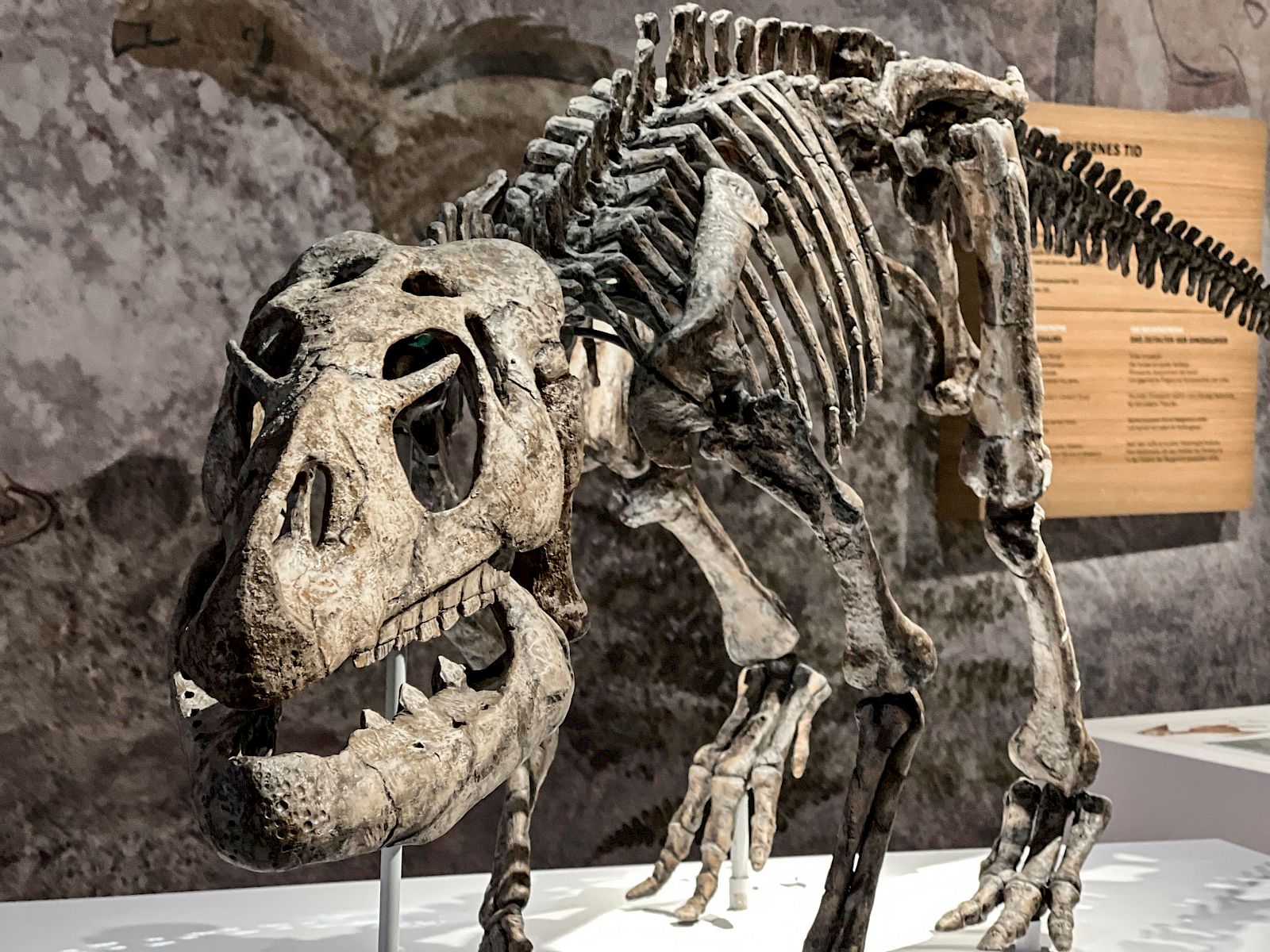
On the islands of the European archipelago, daily life-and-death struggles unfolded. So in that sense, everything was as it had always been, and as life is wont to be. The dinosaurs lived and reigned on the islands, and each island had its own distinctive selection of dinosaurs. For 180 million years, the dinosaurs dominated ecosystems across the landmasses of our planet, and over this vast period they evolved into a large and varied group of both herbivorous and carnivorous specialists.
What sort of fish is that?
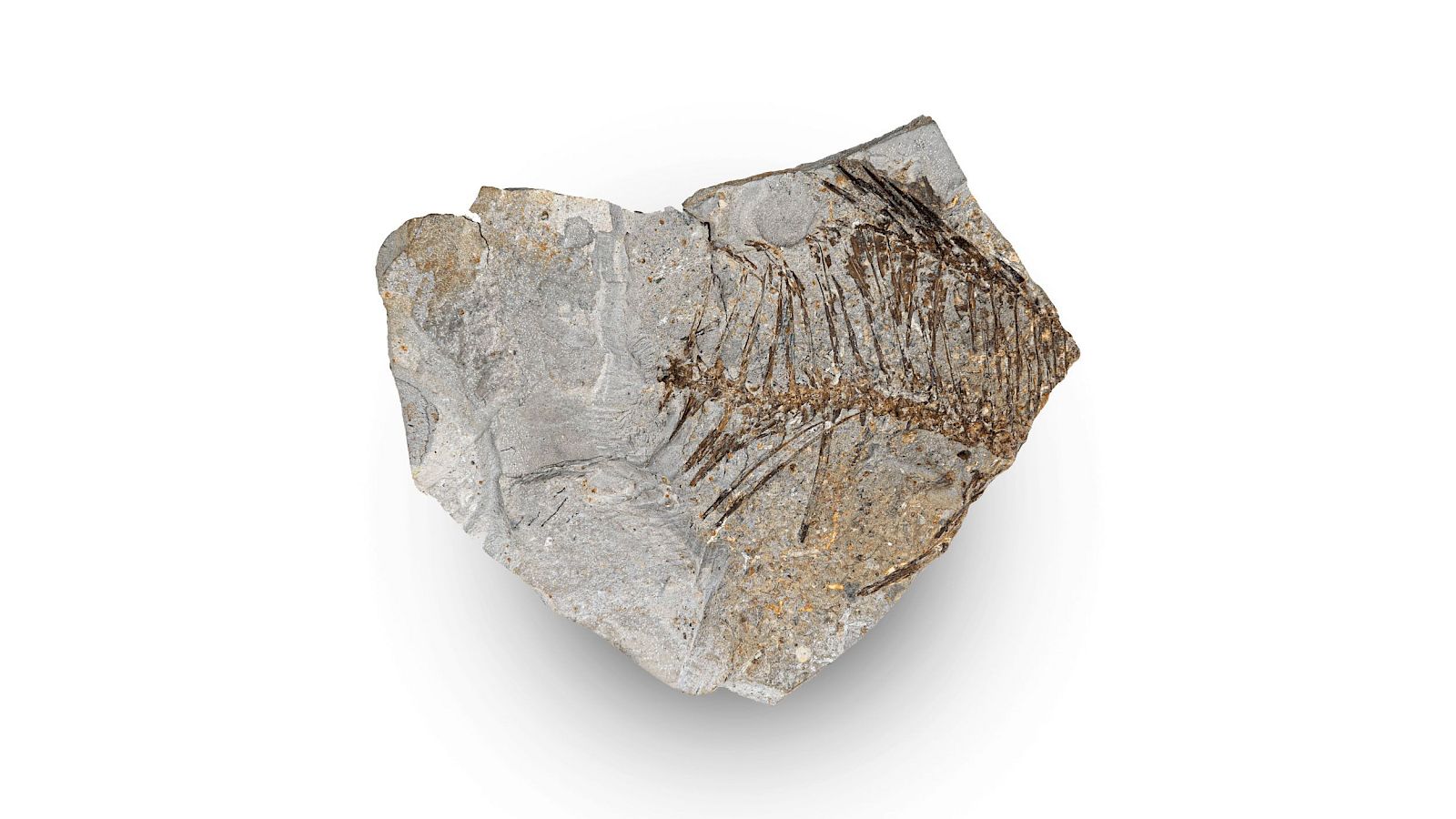
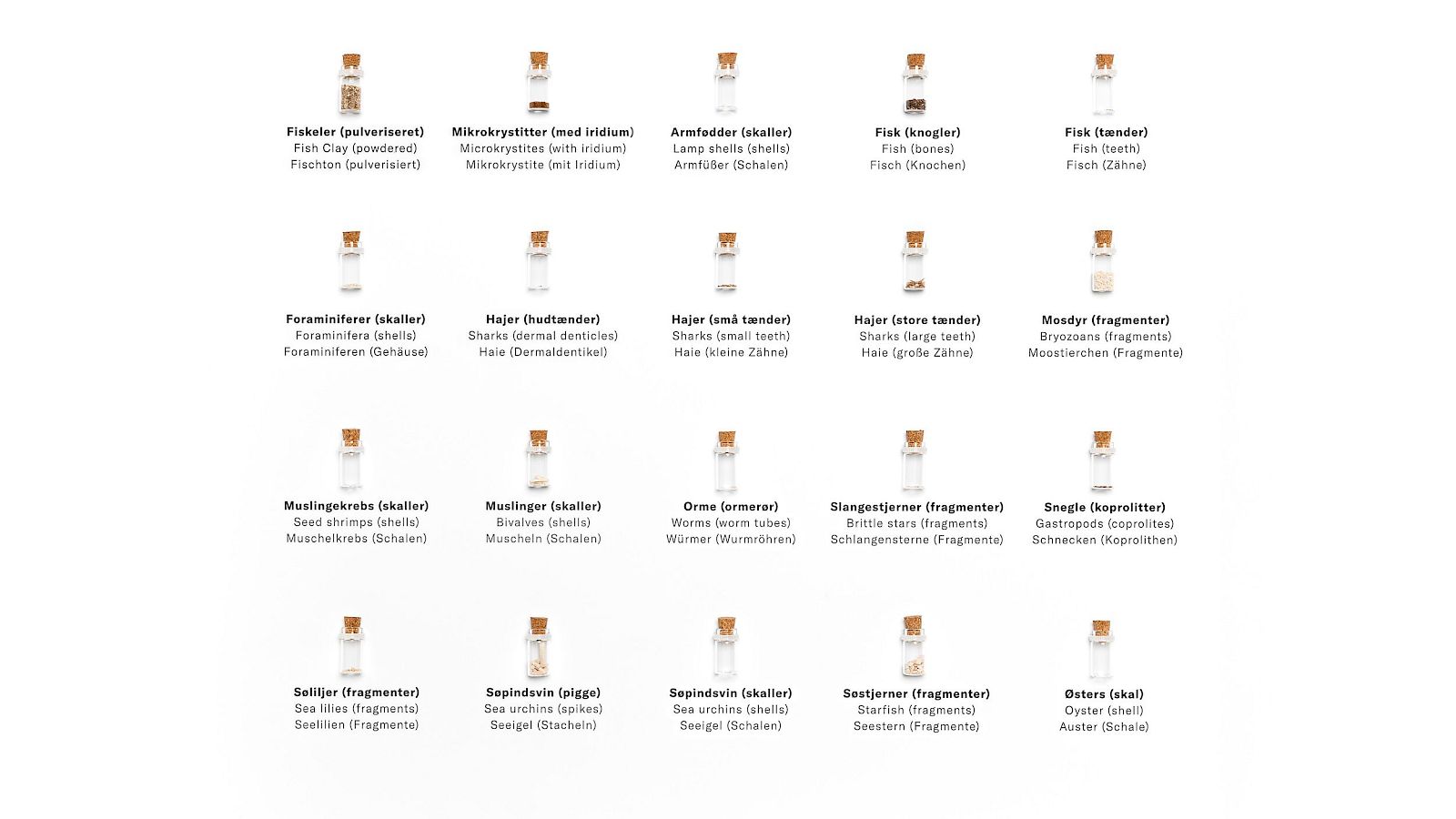
The fish from Fiskeleret probably belongs to the Beryx family. The Beryx family has been known since the very beginning of the Cretaceous Period, around 135 million years ago, and what is remarkable about them is that the Cretaceous forms differ only very slightly from the modern forms of the family.
A teeming mass of life
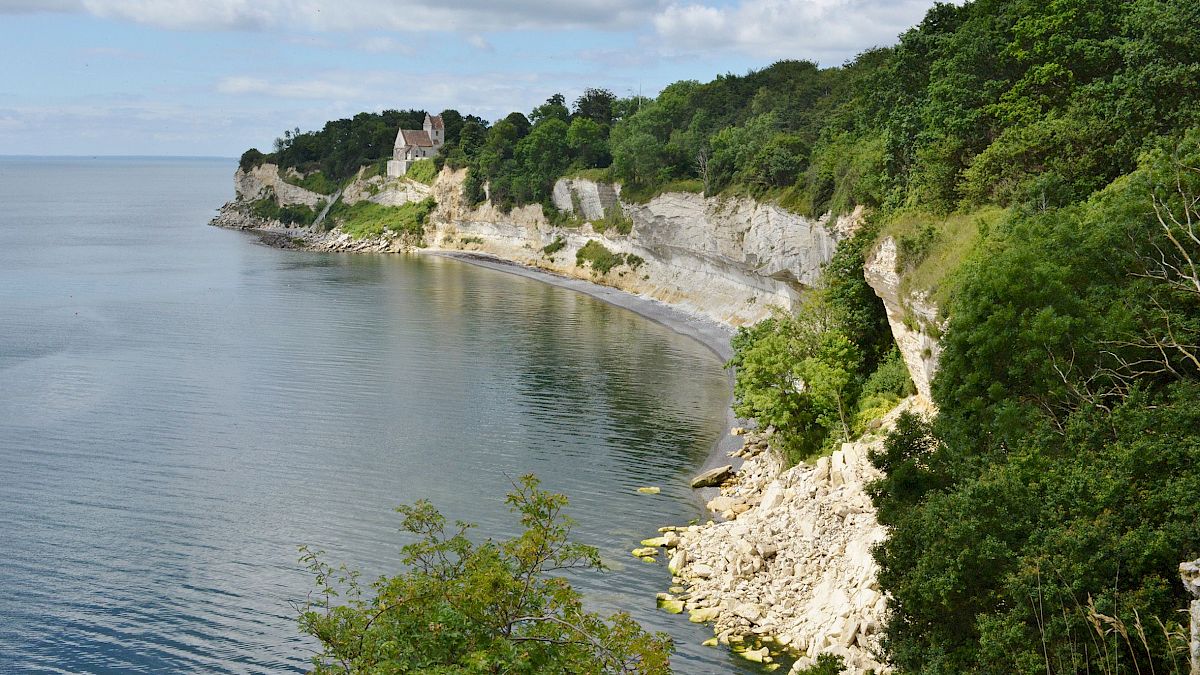
Life in the Cretaceous Sea was rich and varied. Today, we find traces and remains of this teeming life in the form of fossils in the chalk at Stevns Klint. The fossils offer us, so to speak, petrified snapshots of life in the Cretaceous Sea more than 66 million years ago.On the seabed of the Cretaceous Sea – hundreds of metres below the sea’s surface – a multitude of sea urchins, starfish, mussels, snails and crustaceans crawled, scuttled and burrowed about on or in the soft chalk seabed. Other bottom-dwelling animals did not move from their spots, but remained where fate and chance had placed them. This included animals such as sea lilies, bryozoans and sea sponges. In the water column, fish and a wide variety of cephalopods – including the now-extinct belemnites and ammonites – swam about, and every one of them tried to avoid being eaten by the Cretaceous Sea’s absolute apex predators: sharks, marine crocodiles and mosasaurs. Mosasaurs are a now-extinct group of large marine reptiles which, in the Cretaceous Sea, made a habit of behaving as quite ferocious predators. Teeth and a few bones from four species of mosasaurs have been found in the chalk at Stevns Klint – including those of the king of the Cretaceous Sea, Mosasaurus hoffmannii, which grew to a length of up to 15 metres. Woe betide anyone who strayed into the jaws of this enormous sea monster. Munch!
The Realm of the Little Ones
European dinosaurs were small compared to the famous and infamous giant dinosaurs we know from books and films (and our worst nightmares). There were no T. rex here – and no long-necked sauropods the size of a small sports hall. On islands, animals often develop dwarf forms – or larger varieties simply succumb – because both space and food supply are limited. And Europe was truly the realm of the little ones. For example, a six-metre-long titanosaur lived in Europe – whilst non-European species could boast lengths of more than 30 metres.
Fossils of herbivorous dinosaurs have been found almost exclusively in Cretaceous Europe. This is not surprising in itself, as all ecosystems contain far more herbivores than carnivores. But where there is prey, there are predators, so in the future, teeth and bones from ferocious Cretaceous dinosaurs are bound to turn up in the soil all over Europe.
Flying Giants
In the skies, however, there was room for wonder; and if the land was the realm of the dinosaurs and the sea that of the mosasaurs, then in the skies of the Cretaceous Period there was no one above and no one alongside the enormous flying reptiles, the pterosaurs. With a wingspan of up to 12 metres and a beak several metres long, the largest of them all, Hatzegopteryx thambena, could ‘pluck’ small dinosaurs with its enormous beak – both from the air and when it occasionally stumbled about on land.
In the gloom and darkness of night
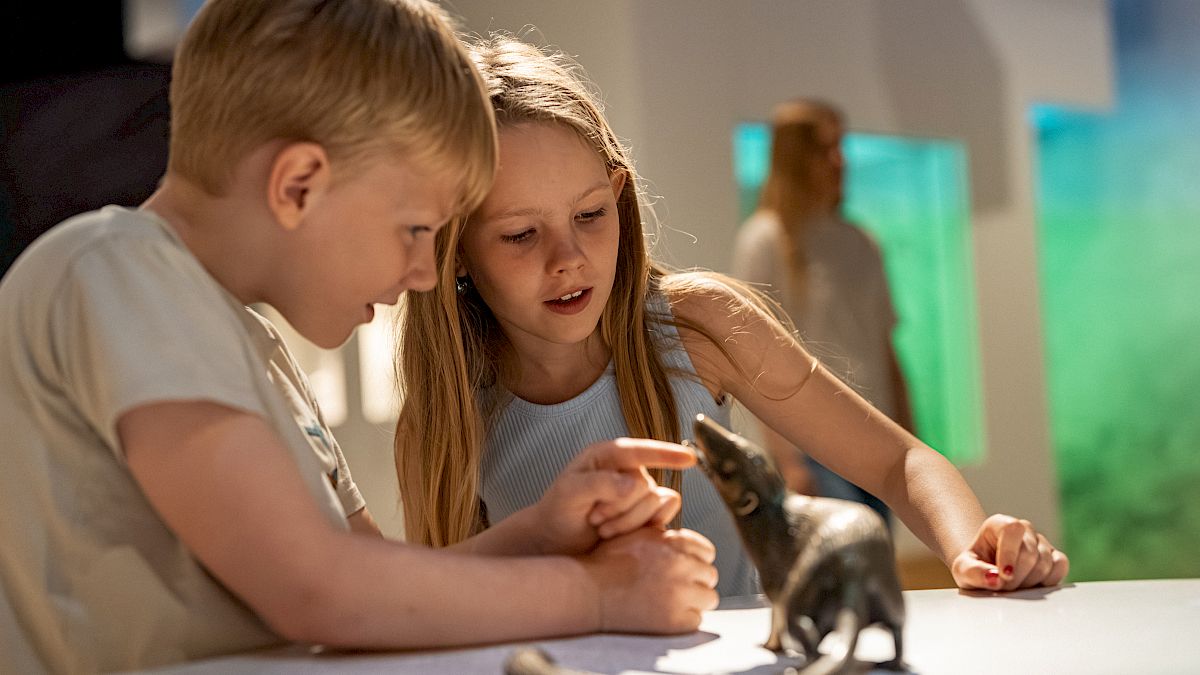
The Cretaceous Period was unquestionably the age of the dinosaurs, but amongst, beneath and hidden from the dinosaurs, some small, furry creatures also scurried about: the mammals. In the Cretaceous Period, most mammals were small, and many of them were probably nocturnal. Aided by their good insulation, high metabolism and well-developed senses, these mammals were able to forage in the dead of night in relative peace and quiet, away from the dinosaurs. And with a varied diet consisting of berries, nuts, roots, insects and other creepy-crawlies, these small omnivorous mammals rarely went hungry. By day, they were able to hide in their underground burrows and tunnels, and here they could also hibernate when the world seemed hostile to them.
All these characteristics and adaptations were soon to prove even more beneficial to the mammals. For something huge and menacing was on its way from outer space. Something huge and menacing that would soon transform the age of the dinosaurs into the age of the mammals.